A must visit in Manila! We were so lucky to meet Carla who taught us all about their empanadas and allowed us to see the process in making it! They were the best ones we had on our 3 week trip to The Philippines! Made fresh to order and were delicious with the chilli vinegar! A real gem of a place! The store has been newly redone and is modern, clean and very chic! We were also gifted a bottle of the chilli vinegar to take home because we loved it so much!
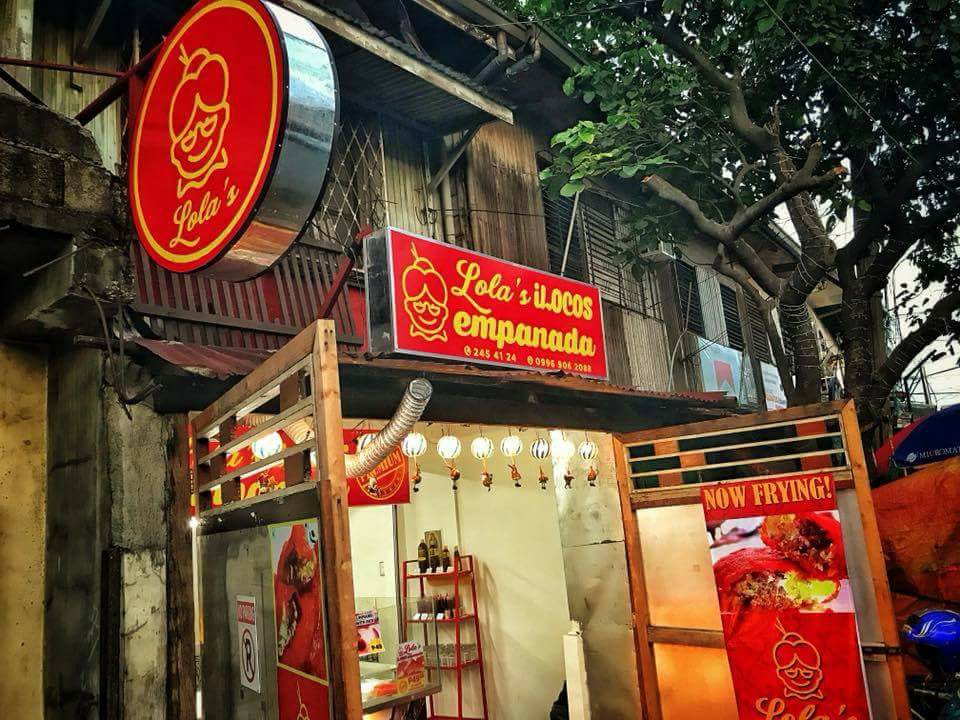
Overview
Walking into Lola's Ilocos Empanada feels like stepping into a small corner of Northern Luzon right in the middle of Manila. Tucked along 704 H. Ventura Street, cor Fajardo St, Sampaloc, 1008 Metro Manila, Philippines, this modest diner has quietly built a reputation for serving one of the most faithful versions of Ilocano empanada you can find in the city. No gimmicks, no fusion twists-just honest food that sticks to its roots.
I first stopped by on a late afternoon, the kind of hour when students from nearby universities and long-time residents overlap. The line was already forming, which is usually a good sign. Watching the process is half the experience here. The empanada shells are shaped and filled by hand, then dropped into hot oil until they turn that signature orange crunch Ilocos empanada fans look for. The filling follows tradition: grated green papaya, bean sprouts, native longganisa, and a freshly cracked egg. It’s a method that mirrors how it’s done in Vigan and Laoag, and the consistency shows in every bite.
The menu is refreshingly focused. You’ll see options like longganisa empanada, plain empanada, and sometimes a version with bagnet, depending on availability. That limited selection actually works in their favor. According to food service studies published by Cornell University, smaller menus often lead to better quality control and higher customer satisfaction, and this place is a textbook example. Each order comes out crisp, hot, and properly seasoned, without the greasy aftertaste you get from rushed frying.
Flavor-wise, the balance is spot on. The slight sweetness of the longganisa cuts through the savory crunch of the shell, while the vegetables keep everything from feeling too heavy. Locals often describe a good Ilocos empanada as crispy on the outside, savory on the inside, and this one checks both boxes. If you like heat, the sukang Iloko on the side is sharp, garlicky, and assertive-use sparingly unless you’re used to it.
From a nutritional standpoint, empanadas aren’t everyday health food, and that’s worth being honest about. Data from the DOST-Food and Nutrition Research Institute notes that deep-fried street foods are best enjoyed in moderation due to fat content. That said, the use of vegetables like green papaya adds fiber, and the protein from egg and longganisa makes it filling enough that one or two pieces are usually enough for a meal.
Reviews online tend to echo the same themes: authenticity, value for money, and consistency. On busy days, service can slow down a bit, which some diners mention, but most agree it’s a fair trade for food that’s cooked properly instead of rushed. The staff keeps things moving, and there’s a casual, almost neighborhood feel that makes waiting less annoying.
Location-wise, Sampaloc is ideal for this kind of diner. It’s walkable, close to schools, and easy to reach by jeepney or tricycle. Seating is simple, more functional than cozy, but that fits the overall vibe. People come here to eat, not to linger for hours.
What really stands out is how the place stays true to its identity. In a city where many traditional foods get diluted to appeal to broader tastes, this diner sticks to the original formula. That commitment is probably why food historians from organizations like the National Commission for Culture and the Arts continue to emphasize preserving regional dishes as they are, not as trends reshape them.
If there’s any limitation worth noting, it’s that first-time diners unfamiliar with Ilocano flavors might find the vinegar intense or the longganisa sweeter than expected. Still, that’s part of the learning curve, and it’s also what makes discovering regional food exciting in the first place.
Good to know
From the business
✓ Identifies as women-ownedService options
✓ Drive-through ✓ Takeaway ✓ Dine-inPopular for
✓ Lunch ✓ Dinner ✓ Solo diningAccessibility
✓ Wheelchair-accessible car park ✓ Wheelchair-accessible entrance ✓ Wheelchair-accessible seatingOfferings
✓ Happy-hour food ✓ Late-night food ✓ Quick bite ✓ Small plates ✓ Vegetarian optionsDining options
✓ Lunch ✓ DinnerAtmosphere
✓ Casual ✓ Cosy ✓ TrendyCrowd
✓ Family friendly ✓ Groups ✓ LGBTQ+ friendly ✓ Tourists ✓ Transgender safe space ✓ University studentsPayments
✓ Cash onlyChildren
✓ Good for kidsPhotos
1 / 4
Location
Reviews
- No ratings yet 112 reviews
The best Ilocos empanada! Cooked in clean oil, so no greasy or unpleasant smell — just pure goodness.
Yummy and hot...a bit pricey at first but the filling made it worrh
Get the taste of Ilocos here in Manila! Definitely a bang for the buck since it's as huge and filling as the original ones we tried in Ilocos. The place is light and airy, and it's adequately accessible, and inside they placed chairs that are around 2 meters away from each other to practice social distancing, as well as alcohol readily available. Highly recommended
Best Ilocos Empanada in MNL Will be back for more
Good tasting Ilocos Empanada and good value for its prices. They also offer milk teas which i find too sweet. The staff is not friendly nor responsive when followed up with our order.
Best empanada in town!! I love the crust. It is perfectly cooked and the longganisa complements so well with its other ingredients. I personally love their classic and cheesy empanada
Best Ilocos Empanada in town! My personal favorite is the cheesy empanada paired with Uncle Tom's Sukang Iloko and Nommu Panda Okinawa premium milktea! Yum!!!